How to mix wood tones in one room

To mix wood tones in one room, you must first pick one dominant wood finish to act as your base. Identify if your wood has a warm, cool, or neutral undertone and keep all other wood pieces within that same temperature. Use a large rug or painted furniture to create a visual break between different wood grains on the floor and the furniture legs.
Identify your wood undertones
The secret to a cohesive look is matching the temperature of the wood rather than the color itself. Even if one piece is light and another is dark, they will look good together if they share the same base glow. Look at your largest piece of furniture or your flooring under natural light to see the hidden colors in the grain. Warm woods like cherry, mahogany, or oak often have hints of orange, yellow, or red. Cool woods like weathered gray oak or maple might have a slight blue or silver tint. Neutral woods like walnut are very versatile because they do not lean too far into warm or cool territory.
When you shop for new pieces, bring a small sample or a clear photo of your existing wood to compare the tones. Spend about ten minutes looking at the two items side by side in daylight. This prevents you from buying a yellow-toned pine table that clashes with your red-toned cherry floors. If you find yourself stuck, remember that interior design relies on these subtle color repetitions to make a room feel intentional rather than accidental. Following this one rule saves hours of frustration and prevents expensive returns of furniture that just does not fit the vibe of your home.
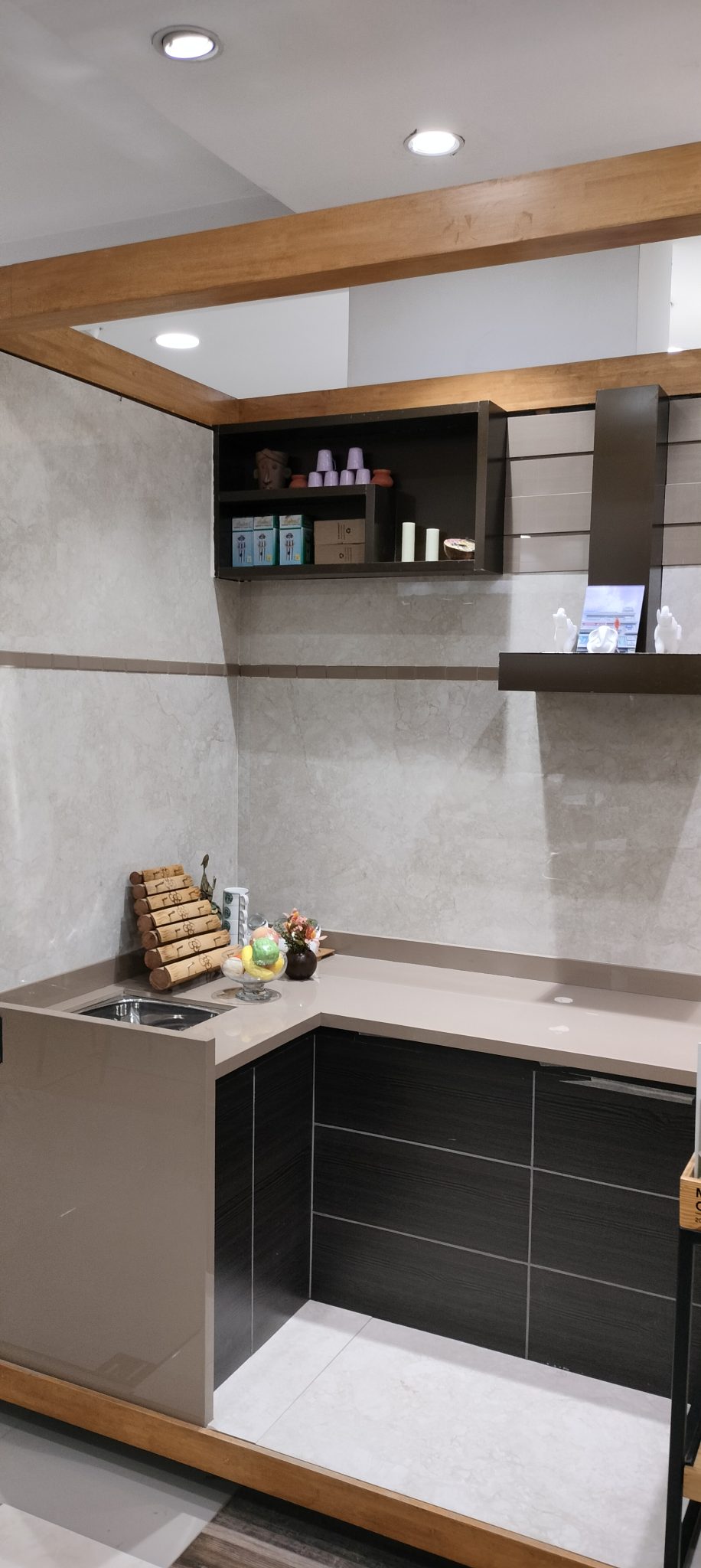
How to pick a kitchen backsplash or dominant wood
Every room needs a foundation wood that covers the largest surface area, which is usually the flooring or a large dining table. This dominant tone sets the mood for the entire space and acts as the anchor for every other choice you make. Once you have this anchor, you can add two or three accent wood tones in smaller doses throughout the room. Using too many different types of wood can make a room feel chaotic and busy. Stick to a maximum of three different wood finishes to keep the space looking clean and curated.
- Select your primary wood for the floors or largest cabinets.
- Choose a second wood that is at least two shades lighter or darker for contrast.
- Pick a third wood for small accents like picture frames or bowls.
- Distribute each wood tone at least twice around the room to create balance.
- Keep the wood grain patterns similar in scale to avoid a cluttered look.
Create separation with rugs and paint
When you have a wood table sitting directly on a wood floor, the two grains can fight each other. This is especially true if the colors are very close but not an exact match. To fix this, use a physical barrier to separate the two wood surfaces. A large area rug in a soft material like wool or jute provides a neutral zone that lets both wood tones shine without touching. This trick allows you to use a dark walnut table on a light oak floor without any visual clashing.
You can also use painted furniture to break up a room full of wood. A set of black painted chairs or a white sideboard can act as a palette cleanser for the eyes. This is a common technique in cottagecore styling where natural textures are mixed with painted surfaces to create a lived-in feel. By alternating between natural wood and solid colors, you make the wood pieces you do have stand out as special features. It takes about five minutes to roll out a rug, but it changes the entire dynamic of the wood grains in your room.
How to mix wood tones in one room with accents
Consistency in the finish or sheen of the wood can help different species live together happily. If your dominant wood has a matte, natural finish, try to find accent pieces that are also matte. Mixing a very shiny, high-gloss mahogany with a rough, reclaimed barn wood can be difficult to pull off. Keeping the textures similar helps the eye move across the room smoothly. You can find these details by running your hand over the surface to feel the grain and the wax or lacquer coating.
- Check the sheen level of your furniture in the afternoon sun.
- Group small wood objects in odd numbers on shelves.
- Match the metal hardware on different wood pieces to tie them together.
- Use a wood polish to keep all surfaces looking healthy and vibrant.
- Repeat your accent wood in at least two different corners of the room.
The goal is to make the mix look like it happened over time. A room where every single item is the exact same shade of honey oak can feel flat and dated. By intentionally choosing a darker wood for a coffee table and a lighter wood for a bookshelf, you add depth to the space. This process does not require a professional eye, just a few minutes of checking undertones and ensuring you have enough contrast between your layers. Your home will feel much more high-end and personal when you master the art of the wood mix.


Comments
Post a Comment